
Frontier Applications
Exosome Translational Directions & Exosome Diagnostics
From tissue repair research to early signal discovery, exosome science is shaping future-facing regenerative and diagnostic applications.
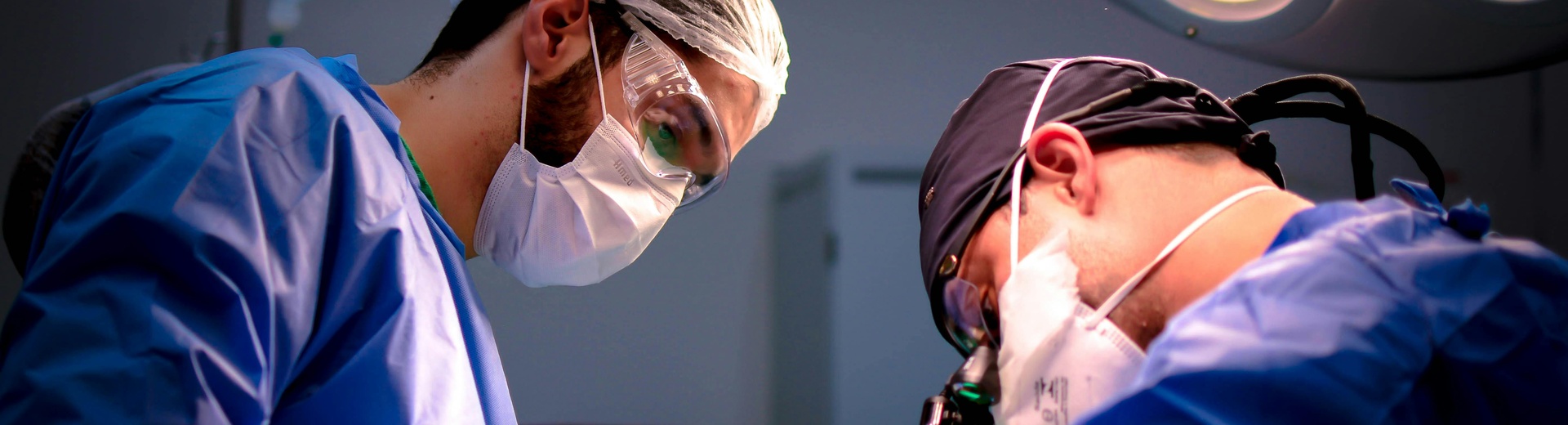

Exosome research in neurology focuses on neural signaling, brain–body communication, and neuro-regenerative potential.
cross the blood-brain barrier
modulate neural signaling
target neurodegeneration & neuroinflammation
enable brain–body communication research

Exosome research in cardiovascular systems focuses on endothelial signaling, microcirculation, and vascular renewal concepts.
Regulate endothelial function
Drive microcirculation dynamics
Support vascular repair & angiogenesis
Bridge cardiology to regenerative aesthetics


Exosome research in organ repair focuses on fibrosis-associated signaling, matrix remodeling, and tissue renewal.
Counter fibrotic signaling (liver, kidney, lung)
Promote extracellular matrix remodeling
Suppress chronic inflammatory loops
Shift tissue response from scar to regeneration
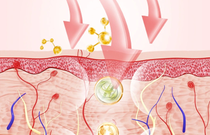

Exosome research in female health focuses on ovarian signaling, hormonal balance, and reproductive tissue homeostasis.
Mediate ovarian function signaling
Regulate endometrial environment
Coordinate hormonal balance & cyclical adaptation
Support reproductive tissue homeostasis


Exosome research in inflammatory immunity focuses on immune communication, inflammation balance, and systemic resilience.
Orchestrate immune cell communication
Drive inflammatory resolution
Regulate pro-/anti-inflammatory balance
Central to systemic homeostasis
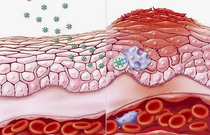

 Background & Vision
Exosome research in neurology focuses on neural signaling, brain–body communication, and neuro-regenerative potential.
Aesthetic connection: supports neuro-skin and resilience-oriented care concepts
 Mechanism of Action
Neural exosomes carry bioactive cargo involved in intercellular signaling, stress-response regulation, and neural communication.
 Targeted Disease Clusters
 Background & Vision
Exosome research in cardiovascular systems focuses on endothelial signaling, microcirculation, and vascular renewal concepts.
Mechanism of ActionCardiac and endothelial-derived exosomes carry signals that regulate vascular tone, endothelial activity, and tissue microenvironment balance.
Targeted Disease Clusters Background & Vision
Exosome research in organ repair focuses on fibrosis-associated signaling, matrix remodeling, and tissue renewal.
Mechanism of ActionFibrosis-focused exosomes influence tissue remodeling by regulating matrix balance, inflammatory loops, and pro-fibrotic signaling.
Targeted Organ Systems Background & Vision
Exosome research in female health focuses on ovarian signaling, hormonal balance, and reproductive tissue homeostasis.
Mechanistic InsightsReproductive tissue-derived exosomes carry regulatory cargo that coordinates hormonal signaling, tissue adaptation, and inflammatory balance.
Targeted Conditions Background & Vision
Exosome research in inflammatory immunity focuses on immune communication, inflammation balance, and systemic resilience.
Mechanism of ActionImmune cell-derived exosomes carry regulatory signals that shape immune responses, inflammatory balance, and tissue microenvironment stability.
Targeted Disease Clusters
Connect with our team to discuss partnership opportunities, clinical collaborations, or
to learn more about our translational pathways and diagnostic frameworks.